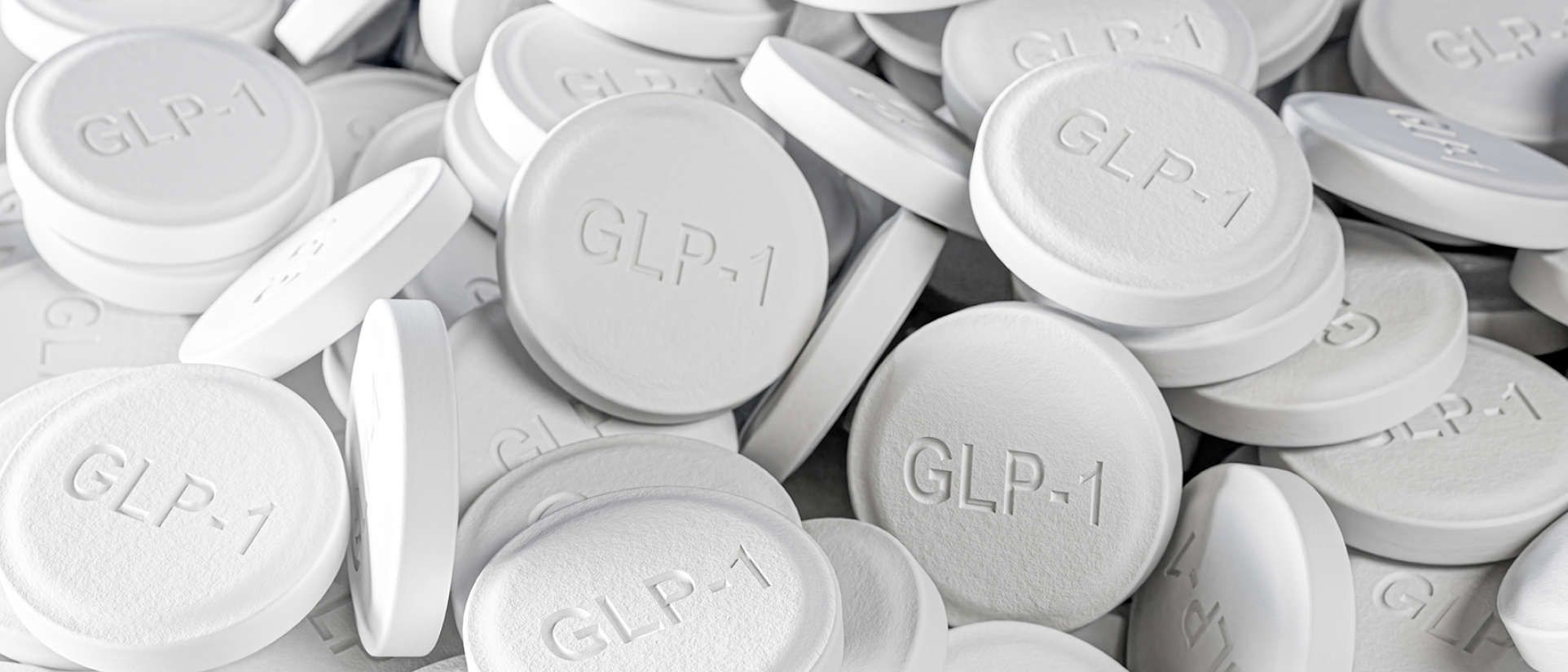
Pastillas de GLP-1: lo que hay que saber sobre los medicamentos orales para bajar de peso
Los medicamentos con GLP-1 han ganado cada vez más popularidad para favorecer la pérdida de peso y mejorar la salud metabólica. Más recientemente, ha aumentado el interés por los medicamentos con GLP-1 de administración oral, que ofrecen una alternativa a las opciones inyectables.
Hoy en día, muchos medicamentos conocidos de GLP-1, como Wegovy y Ozempic, se administran mediante inyección. Sin embargo, Rybelsus es una opción oral aprobada por la FDA, y recientemente también han recibido la aprobación de la FDA otros medicamentos más nuevos en forma de comprimidos, como Foundayo.
Este cambio hacia los medicamentos orales con GLP-1 plantea cuestiones importantes para los pacientes, especialmente para aquellos que están pensando en la fertilidad y la planificación familiar.
¿Qué son los medicamentos con GLP-1?
Los agonistas del receptor del GLP-1 (péptido similar al glucagón tipo 1) son medicamentos que imitan a una hormona natural implicada en la regulación del azúcar en sangre, el apetito y el metabolismo.
Funcionan a través de varios mecanismos coordinados:
- Estimula las células beta del páncreas para aumentar la liberación de insulina después de las comidas, lo que ayuda a mejorar el control de la glucemia posprandial
- La supresión de las células alfa pancreáticas, lo que reduce los niveles de glucagón (una hormona que eleva el azúcar en sangre)
- Ralentiza el vaciamiento gástrico, lo que hace que los alimentos avancen más lentamente por el sistema digestivo y aumenta la sensación de saciedad
- Actúa sobre los centros del apetito del cerebro para reducir la sensación de hambre y la ingesta calórica total
En conjunto, estos efectos favorecen una mejor regulación metabólica y, en muchos pacientes, dan lugar a una pérdida de peso.
Los medicamentos con GLP-1 se desarrollaron inicialmente para tratar la diabetes tipo 2, pero actualmente se utilizan ampliamente para el control del peso, entre ellos Wegovy, Ozempic, Mounjaro y Zepbound.
Dado que la salud metabólica está estrechamente relacionada con la salud reproductiva, estos medicamentos se mencionan cada vez más en las conversaciones sobre fertilidad, especialmente en el caso de las pacientes con resistencia a la insulina o síndrome de ovario poliquístico.
¿En qué se diferencian los medicamentos orales con GLP-1 que hay en el mercado?
Los medicamentos orales de GLP-1 pertenecen a la misma clase que las opciones inyectables como Wegovy, Ozempic, Mounjaro y Zepbound —los agonistas del receptor de GLP-1—, pero se diferencian en su vía de administración.
La principal diferencia es que los GLP-1 orales se toman en forma de comprimido, en lugar de administrarse mediante inyección.
Esta diferencia puede afectar a:
- Absorción y biodisponibilidad
- Uniformidad en la dosificación
- Tolerancia gastrointestinal
- Preferencias y adherencia del paciente
Dado que los medicamentos orales deben atravesar el sistema digestivo, su absorción puede ser más variable que la de las formulaciones inyectables, lo que puede influir en la eficacia general y la tolerabilidad en algunos pacientes.
Además, los medicamentos orales con GLP-1 presentan consideraciones farmacocinéticas específicas. Los GLP-1 inyectables son moléculas peptídicas de gran tamaño y no se espera que atraviesen la placenta de forma significativa. Las formulaciones orales, sin embargo, se basan en un potenciador de la absorción denominado SNAC (caprilato de sodio N-[8-(2-hidroxibenzoil)amino]) para facilitar su absorción en el estómago.
A diferencia de la propia molécula de GLP-1, se ha demostrado en estudios con animales que el SNAC atraviesa la placenta y es detectable en la leche materna, lo que plantea consideraciones adicionales respecto a su uso durante el embarazo y la lactancia. Por este motivo, aunque se recomienda suspender todos los medicamentos de GLP-1 antes del embarazo, las formulaciones orales plantean una preocupación adicional debido a la exposición al SNAC.
Dado que los medicamentos con GLP-1 también tienen una vida media relativamente larga y permanecen en el organismo durante varias semanas tras la interrupción del tratamiento, el momento de su uso durante el periodo previo a la concepción debe planificarse cuidadosamente en colaboración con un médico. Los datos recientes en humanos sobre la exposición a la semaglutida durante el embarazo siguen siendo limitados, pero se están estudiando activamente.
¿Cuáles son los efectos secundarios de los comprimidos de GLP-1?
Se prevé que los efectos secundarios de los GLP-1 orales sean similares a los de otros medicamentos de GLP-1, aunque la respuesta puede variar de una persona a otra.
Entre los efectos secundarios más comunes se incluyen:
- Náuseas
- Vómitos
- Diarrea o estreñimiento
- Pérdida de apetito
- Fatiga
Estos síntomas suelen ser más evidentes al comenzar el tratamiento o al aumentar la dosis.
Entre los riesgos menos frecuentes, pero más graves, se pueden incluir:
- Pancreatitis
- Complicaciones de la vesícula biliar (incluidos los cálculos biliares)
- Intolerancia gastrointestinal grave
Desde el punto de vista de la salud reproductiva, es especialmente importante tener en cuenta estos riesgos. El embarazo en sí mismo se asocia a un mayor riesgo de padecer enfermedades de la vesícula biliar y, con menor frecuencia, pancreatitis. Cuando los medicamentos con GLP-1 forman parte del cuadro clínico, cada vez hay más conciencia de que estos factores de riesgo coincidentes pueden ser relevantes, sobre todo si una paciente queda embarazada tras haber iniciado recientemente el tratamiento.
Aunque las investigaciones aún están en curso, cada vez son más los informes que relacionan los medicamentos con GLP-1 con problemas relacionados con la vesícula biliar, incluida la formación de cálculos biliares. Por este motivo, es importante planificar cuidadosamente el momento de la toma, realizar un seguimiento y planificar el embarazo antes de empezar a tomar estos medicamentos.
Como siempre, se debe consultar con un médico sobre los riesgos individuales, especialmente en el caso de las pacientes que estén intentando concebir o que se estén sometiendo a un tratamiento de fertilidad.
¿Es mejor un comprimido de GLP-1 que una inyección?
Un GLP-1 oral como Foundayo puede resultar atractivo para los pacientes que prefieren no recurrir a las inyecciones. Sin embargo, los medicamentos inyectables como Wegovy, Ozempic, Mounjaro y Zepbound cuentan actualmente con datos clínicos más consolidados.
Que sea más adecuado un comprimido o una inyección depende de:
- Historial médico personal
- Objetivos del tratamiento
- Tolerancia a los efectos secundarios
- Orientación para proveedores
La comodidad no debería ser el factor principal a la hora de determinar cuál es la mejor opción de tratamiento.
Aunque tomar una pastilla pueda parecer más fácil que ponerse una inyección, los estudios demuestran que las pastillas de GLP-1 son tan eficaces como las inyecciones para controlar el azúcar en sangre. Dicho esto, las inyecciones siguen siendo más eficaces para perder peso.
¿Afecta a la fertilidad un medicamento oral con GLP-1?
Los medicamentos con GLP-1, incluidas las pastillas orales de GLP-1, no mejoran directamente la fertilidad.
Sin embargo, pueden contribuir indirectamente a la salud reproductiva al mejorar la función metabólica, especialmente en pacientes con resistencia a la insulina, síndrome de ovario poliquístico o desequilibrios hormonales relacionados con la obesidad.
En estas condiciones, los niveles elevados de insulina pueden alterar la señalización hormonal normal, lo que podría impedir la ovulación regular (anovulación). La resistencia a la insulina es un factor clave en este proceso, especialmente en pacientes con SOP.
Cuando los medicamentos con GLP-1 ayudan a reducir los niveles de insulina y favorecen la pérdida de peso, esto puede, en algunos casos, restablecer una ovulación más regular. En el caso de algunas personas que antes no ovulaban, esto puede dar lugar al retorno de la ovulación espontánea.
Por ello, las pacientes pueden quedarse embarazadas, a veces de forma inesperada, si no utilizan métodos anticonceptivos.
Este efecto varía de una persona a otra y no debe considerarse un tratamiento principal para la fertilidad. Sin embargo, pone de relieve la estrecha relación que existe entre la salud metabólica y la función reproductiva.
¿Los medicamentos con GLP-1 aumentan la fertilidad?
En determinadas circunstancias, los medicamentos con GLP-1 pueden estar indirectamente relacionados con una mejora de la fertilidad.
Pueden:
- Mejorar la sensibilidad a la insulina
- Ayuda a perder peso en algunos pacientes
- Ayuda a regular los ciclos ovulatorios
En pacientes con síndrome de ovario poliquístico (SOP), obesidad, resistencia a la insulina o diabetes, estos cambios pueden ser clínicamente significativos. Los niveles elevados de insulina pueden alterar la señalización hormonal normal y contribuir a la anovulación (ausencia de ovulación). Al mejorar la función metabólica, los medicamentos con GLP-1 pueden ayudar a restablecer la ovulación normal.
En algunos casos, esto puede dar lugar a una ovulación espontánea y a la posibilidad de concebir, especialmente en pacientes que anteriormente no ovulaban.
Sin embargo, los medicamentos con GLP-1 no son tratamientos de fertilidad. Su efecto sobre los resultados reproductivos es indirecto, y la investigación en este ámbito sigue en desarrollo.
¿Cuánto tiempo hay que dejar de tomar GLP-1 antes de intentar quedarse embarazada?
Debido a su larga vida media, muchos profesionales recomiendan suspender los medicamentos con GLP-1 al menos dos meses antes de intentar concebir.
El momento adecuado debe determinarse siempre de forma individualizada, previa consulta con un médico, especialmente en el caso de pacientes que estén intentando concebir o que se estén sometiendo a un tratamiento de fertilidad.
El desarrollo de comprimidos orales de GLP-1 supone un avance en el tratamiento de la salud metabólica.
Para las pacientes que se enfrentan a problemas de fertilidad, estos medicamentos pueden servir de apoyo, pero no sustituyen a una atención integral e individualizada.
En Collab Fertility, nuestro enfoque combina la medicina basada en la evidencia con una visión más amplia de los factores metabólicos y ambientales que influyen en la salud reproductiva.
Para las pacientes que tienen previsto congelar óvulos o embriones, es especialmente importante elegir bien el momento de tomar los medicamentos con GLP-1. Estos fármacos ralentizan el vaciamiento gástrico, lo que puede aumentar el riesgo de tener el estómago lleno en el momento de la anestesia. Esto suscita preocupación por la posibilidad de aspiración durante la sedación, una complicación grave que puede provocar neumonía por aspiración.
Por este motivo, a menudo se recomienda a las pacientes que dejen de tomar los medicamentos de GLP-1 al menos dos semanas antes de la extracción de óvulos, aunque los plazos pueden variar. Es fundamental que informe a su equipo de fertilidad y al anestesista si está tomando algún medicamento de GLP-1, ya que esto afecta directamente a la seguridad y la planificación de la intervención.
Programe una consulta para saber cómo nuestros planes de tratamiento personalizados e integrales pueden apoyar su camino hacia la paternidad.
________________________
Apoyando con orgullo a las comunidades locales
Collab Fertility tiene el honor de servir a familias en East Bay como Danville, Alamo, Orinda, Lafayette, Moraga, Piedmont y Walnut Creek, así como a muchas otras comunidades en el Área de la Bahía y más allá, incluyendo Oakland, San Ramon, Concord, Pleasant Hill, Santa Rosa, Novato, Napa, Sonoma y más.
Últimos Artículos
¿Cómo afectan los anticonceptivos a las hormonas?